Petrol Pump Canopy Materials: ACP vs PUF vs GI Sheeting
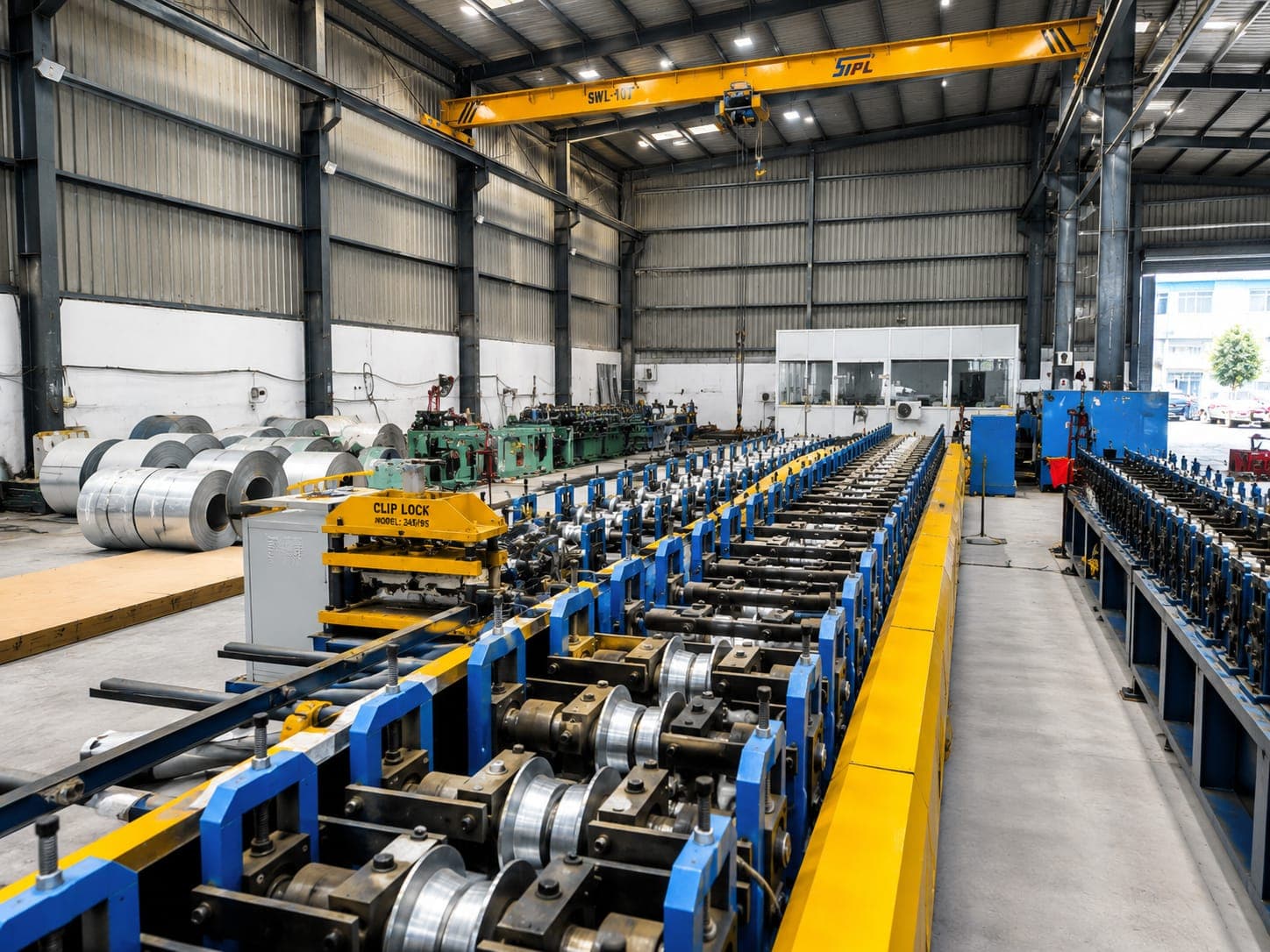
Once the structural design of a petrol pump canopy is finalized, the next big decision is the ceiling and cladding material — the part customers actually see and stand under every day. This isn't just an aesthetic choice. The right material affects fire safety compliance, maintenance cost, and how the canopy performs across India's varied climate zones.
Here's a practical comparison of the three materials most commonly used in petrol pump canopy construction.
ACP (Aluminium Composite Panel)
What it is: Thin aluminium sheets bonded to a core material, giving a smooth, modern finish.
Strengths:
- Excellent finish quality — often the first choice when brand appearance matters
- Lightweight, which reduces structural load
- Wide range of brand-matched colors, useful for OMC-specific branding requirements
- Weather-resistant and low-maintenance
Considerations: ACP with a standard polyethylene core can be combustible — for fuel station applications, an FR (fire-retardant) or A2-rated core is typically required to meet fire safety norms. Always confirm the core rating, not just the panel brand, when specifying ACP for a canopy.
PUF (Polyurethane Foam) Sandwich Panels
What it is: A rigid foam core sandwiched between two metal (usually GI or color-coated steel) face sheets.
Strengths:
- Strong insulation properties — helps moderate under-canopy temperature in high-heat regions
- Good structural rigidity, allowing larger spans with less support
- Often specified where insulation or noise reduction matters (near residential areas, for instance)
Considerations: Like ACP, the foam core's fire rating matters. FR-grade PUF panels are available and are the standard choice for fuel-retail applications where combustible-core panels aren't acceptable.
GI (Galvanized Iron) Sheeting
What it is: Steel sheet coated with a protective zinc layer, often further finished with a color coat.
Strengths:
- Most cost-effective of the three options
- Proven durability — galvanized steel has a long track record in industrial and structural roofing
- Simple to fabricate, repair, and replace in sections if damaged
Considerations: Finish quality is more utilitarian than ACP; less commonly used where premium brand presentation is a priority, but remains a reliable, budget-conscious choice for functional canopy ceilings.
Quick Comparison
For a quick summary: ACP delivers the premium look for brand-forward stations, PUF offers the best insulation for climate-sensitive or noise-critical sites, and GI sheeting remains the most budget-conscious, durable option for functional builds.
Fire Safety Is Non-Negotiable
Regardless of which material is chosen, fuel station canopy materials must meet applicable fire safety norms under NBC 2016 and individual OMC specifications. This means insisting on FR-rated or non-combustible-core panels for ACP and PUF, and confirming compliance certificates from the manufacturer before installation — not assuming a standard commercial-grade panel is automatically suitable for a fuel-retail environment.
Choosing the Right Material for Your Station
There's no single "best" material — the right choice depends on your OMC's branding requirements, regional climate, budget, and whether the station prioritizes premium presentation or functional durability. A good fabricator will help you weigh these factors against your specific site conditions rather than defaulting to one material across every project.
With 25+ years of experience fabricating petrol pump roofing and ceiling systems for HPCL, BPCL, IndianOil, Nayara, Jio-bp, and Adani, Speco Steel Projects works across all three material types depending on project requirements. Get in touch →